Ágora OKAN
Talks and encounters with artists, academic specialists and public figures to share ideas, experiences and knowledge.
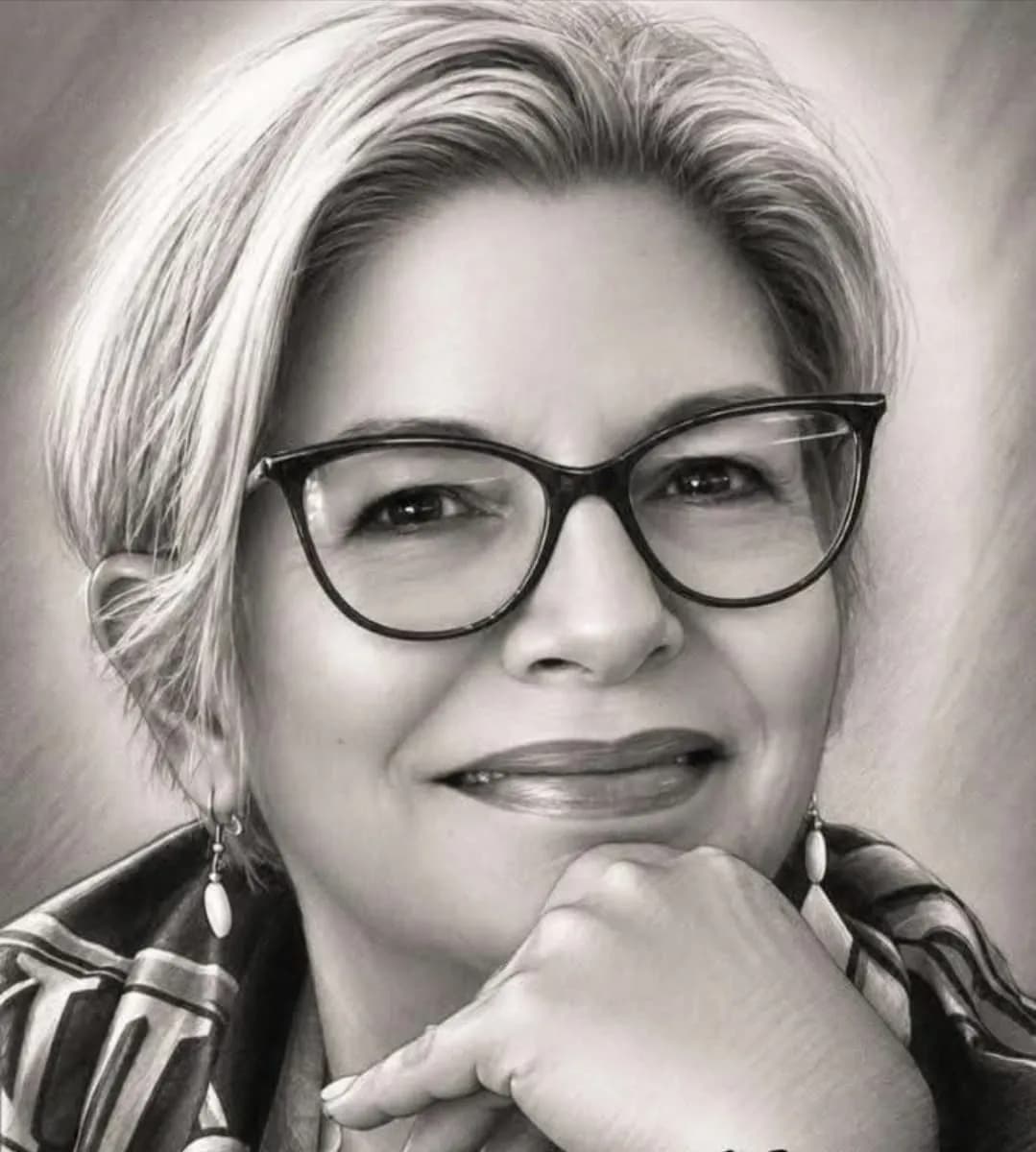
When art becomes a commodity: images that seduce and consciousnesses that fade.
When art becomes a commodity: images that seduce and consciousnesses that fade.
What happens when the value of art begins to be measured by its price, popularity or number of views? The cultural industry can turn creation into a product for quick consumption: seductive images, immediate emotions and formulas designed to capture our attention. The problem is not that art circulates or is commercialized, but that the market becomes its sole criterion of value. This conversation proposes recovering a critical perspective that can distinguish between an image that simply seduces and a work that, beyond moving us, awakens questions, thought and sensitivity.
Dr. Natividad Norma Medero Hernández holds a doctorate in Philosophical Sciences and a master's degree in Education through Art and Sociocultural Animation. A full professor and researcher specializing in Aesthetics, Philosophy of Art and Art Practices, she has devoted her career to studying culture, art and their relationships with power and society. Her critical thinking is nourished by a profound humanist vocation and more than four decades dedicated to teaching.
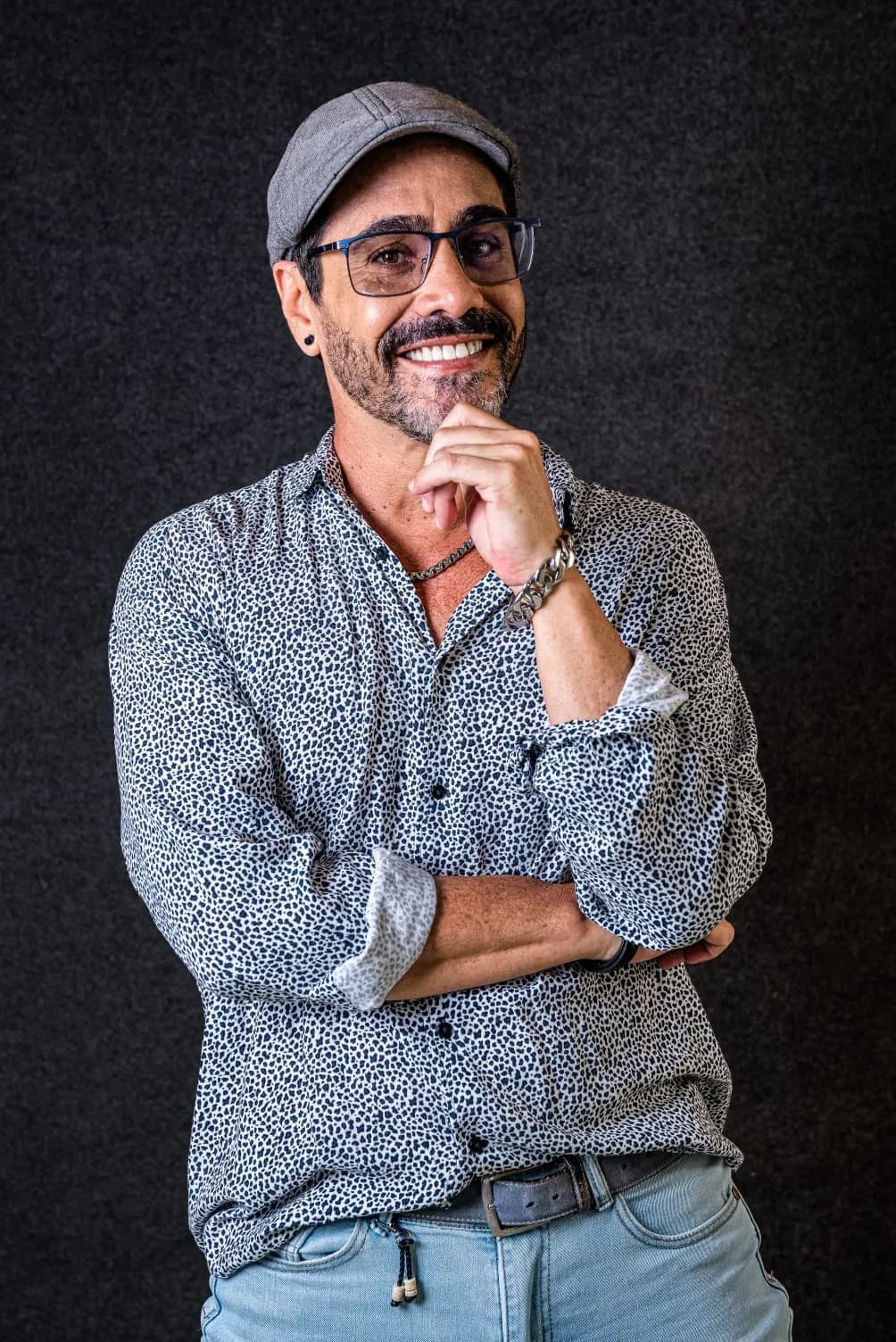
The Transgression of Medea: From Euripides to Heiner Müller
The Transgression of Medea: From Euripides to Heiner Müller
What happens when a woman stops occupying the place that society has assigned to her? Medea spans more than two thousand years of theatrical history. This video talk proposes a critical journey from the tragedy of Euripides to the fragmentary writing of Heiner Müller, following the transformations of female representation and the conflict between the individual, power, and social order. In dialogue with Phaedra, Nora, and Julia, Medea allows us to interrogate power, exclusion, violence, gender, foreignness, motherhood, and rebellion. What does Medea transgress in each era, and what does that transgression reveal about us?
Ernesto Tamayo
Actor, director, producer, and theater pedagogue with more than three decades of experience. He graduated from the National School of Art of Cuba and holds a Bachelor's degree in Acting from the ISA, with a Gold Title. He has worked in theater, film, television, radio, opera, and dubbing. He is currently the Dean of Acting at OKAN Escuela Superior de Arte.
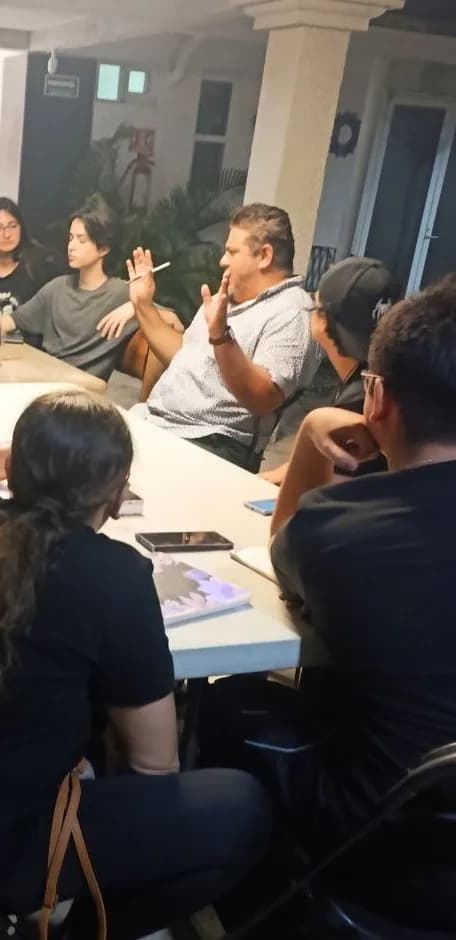
Discovering the Author: Meeting with Saúl Enríquez
Discovering the Author: Meeting with Saúl Enríquez
What exists behind the works of a playwright? This meeting with Saúl Enríquez approaches the author, director, teacher, and cultural manager who has dedicated an essential part of his career to theater made with and for young people. The conversation explored his relationship with theater and adolescence, the experiences of invisibility that have crossed his life, and the sensitivity to injustice that accompanies his writing. It arose in dialogue with the staging of La mirada de los invisibles at OKAN Laboratorio Escénico. “The passion of my characters is also their suffering.”
Saúl Enríquez
Playwright, director, actor, teacher, and cultural manager based in Cancún since 2006. Founder of Nunca Merlot Teatro and author of ¿En qué estabas pensando?, SIE7E, Corazón Gordito, Toro, and La mirada de los invisibles. His career includes links with the Royal Court Theatre and Lark Play Development Center and presence in the National Theater Showcase. He currently works at the Instituto de la Cultura y las Artes de Cancún.
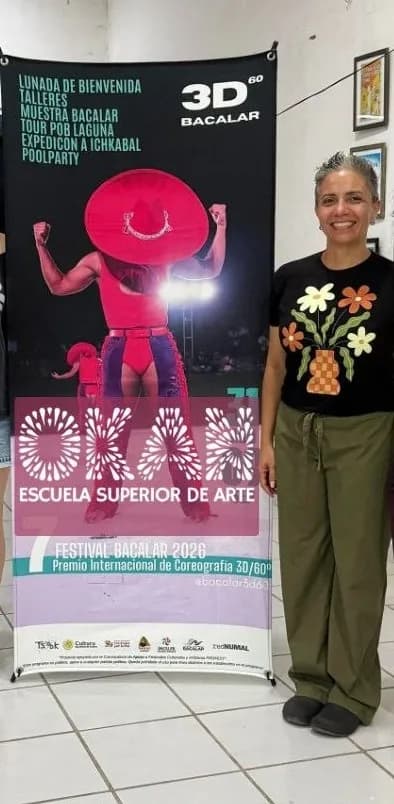
Mapping Dance: Reflections on the Curriculum Design of a Bachelor's Degree
Mapping Dance: Reflections on the Curriculum Design of a Bachelor's Degree
How to build a bachelor's degree in dance that responds to the student, the territory, and the profession? From the curricular research of OKAN Escuela Superior de Arte, Carolina Zepeda presents the curriculum as a cartography between the admission profile and the professional horizon. The talk addresses diagnosis, training trajectory, and graduate profile, integrating technique, creation, thinking, research, and stage experience. It analyzes the dialogue between dance and acting within a common ecosystem, preserving the specificity of each discipline. From Cancún, it proposes that professionalization should not mean abandoning the territory, but acquiring tools to choose where and how to develop a career.
Carolina Zepeda
Dancer, choreographer, teacher, and educational manager. Rector of OKAN Escuela Superior de Arte, she participates in the design and development of its academic model and the bachelor's degrees in Dance and Acting. Her career integrates dance training, creation, teaching, and stage direction.